The Transition to Mandatory Electronic Invoices: How to Prepare, Implement Smoothly, and Avoid Fines
7 July 2026
updated at: 20 November 2026
6 min
Over the past few years, the transportation industry has taken a major step toward digitalization. Companies have begun using electronic document management, automated transportation planning, implemented vehicle tracking systems, and learned to obtain trip data in near real time. However, until recently, most shipping documents still existed in two formats: electronic and paper.
Starting September 1, the situation is changing. For many market participants, electronic shipping documents are becoming a mandatory part of their operations. This isn’t just a change in the usual way of issuing a waybill—it involves restructuring the entire process of organizing transportation.
That is precisely why it is important today to consider not only connecting to an electronic document management provider but also how prepared the company itself is to operate under the new rules.
Why the Transition to Electronic Transport Documents Is More Than Just New Documents
When people talk about electronic shipping documents, the discussion usually centers on technical issues: where to obtain an electronic signature, which provider to choose, and how documents are exchanged with the government system. In practice, however, these issues are far from the most challenging ones.
The real challenges arise much earlier.
Let’s consider a typical shipment. A manager receives a request via email, transfers some of the information to Excel, and then manually creates an order in the accounting system. A logistics specialist coordinates with the carrier over the phone, the driver receives the route via a messaging app, and the waybill is prepared immediately before the vehicle departs.
This process can work quite successfully for years. But with the introduction of mandatory electronic shipping documents, any error begins to ripple through the entire chain. If there is an inaccuracy in the order, it is automatically carried over to the waybill. If the driver or vehicle changes, the updates must be reflected in the electronic documents in a timely manner. The more manual steps remain in the process, the higher the likelihood of errors and delays.
Therefore, the transition to electronic shipping documents cannot be viewed as a standalone task for the IT department. It represents a fundamental shift in the entire logistics process.
What to Focus On Before September 1
It’s best to start preparing for the new requirements by analyzing your own processes.
The first thing to consider is how your company creates a shipping order. If the same information is manually entered multiple times into different systems, data discrepancies are practically inevitable. After the transition to the EPD, such errors will become apparent much more quickly, since all documents will be interconnected.
It is equally important to evaluate the process of preparing the waybill. In many organizations, they begin filling it out only after the shipment has already been approved. In an electronic document management system, this approach becomes impractical. The document should be generated automatically based on existing data, rather than created from scratch each time.
The procedure for making changes deserves special attention. In real-world operations, shipments rarely proceed strictly according to the initial plan. Vehicles, drivers, routes, arrival times, and unloading points change. If every such change requires manually editing multiple documents, employees inevitably start wasting time, and the risk of errors increases.
Another important issue is information storage. Even today, you can still find companies where some data is stored in email, some in Excel, certain documents are printed and kept in a paper archive, and important agreements are recorded only in messenger chats. After switching to electronic shipping documents, this approach becomes extremely inconvenient. All information must be accessible in one place and accompany the shipment throughout its entire lifecycle.

Why automation is becoming a necessity
Many view the transition to electronic shipping documents as just another legal requirement. In reality, for businesses, it’s an opportunity to reevaluate processes that have been performed manually for years.
When orders, shipments, waybills, and other documents exist separately from one another, employees constantly have to duplicate information. The same address is entered multiple times into different documents, the details of the parties involved in the shipment are copied by hand, and any changes must be repeated over and over again.
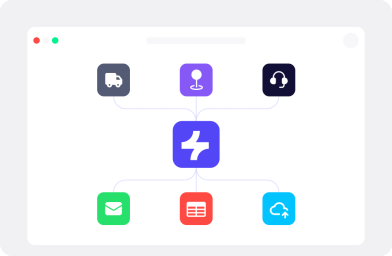
Modern TMS systems make it possible to move away from this approach. Instead of working with separate documents, employees work with a unified shipment model. All necessary information is entered once and then used at every subsequent stage of the process.
As a result, the number of manual operations is reduced, the likelihood of errors decreases, document processing is accelerated, and it becomes easier to monitor the entire transportation process.

How We Implemented Electronic Transport Documents in Our TMS
When developing our transportation platform, we proceeded from the premise that electronic document management should not exist separately from the company’s operational activities. That is precisely why the process begins not with the preparation of a waybill, but with the creation of an electronic order request.

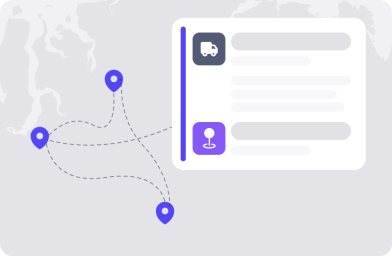
After an order is registered, the system uses the existing data at all subsequent stages of the process. Based on this data, the shipment is created, planning is carried out, vehicles and drivers are assigned, and an electronic waybill is then automatically generated.
The platform supports the issuance of electronic waybills in all formats required by law, as well as integration with all necessary applications. Because documents are generated directly from shipment data, employees do not have to re-enter the same information or transfer it between multiple systems.
If the driver, vehicle, or other trip parameters change during the shipment, the most up-to-date information is used for subsequent document processing. This significantly reduces manual work and prevents errors caused by re-entering data.
In fact, electronic shipping documents are not a separate system module but a natural extension of the shipment management process.
Conclusion
There is very little time left before the new requirements take effect. Companies that prepare their processes in advance and implement tools for working with electronic transport documents will be able to navigate this transition more smoothly and without unnecessary costs.
It is important to understand that the transition to electronic waybills is not just about complying with legal requirements. It is an opportunity to eliminate data duplication, reduce the number of manual operations, and make the transportation process more transparent and manageable.
That is precisely why it is worth considering today not only how to issue an electronic waybill, but also how effectively transportation operations are organized as a whole. The sooner a company begins preparing for the new requirements, the smoother the transition will be, and the faster it will be able to leverage the benefits of digital document management in its day-to-day operations.